


Poker psychology. Emotions. Ultimate problem elimination and poorly functioning mind
Previous part of the book "Mental Game of Poker": Performance and Results. Emotions Emotions are not the problem; on the contrary, they are the key…

Previous part of the book "Mental Game of Poker": Performance and Results. Emotions Emotions are not the problem; on the contrary, they are the key…

Continuing the series of articles from the book "Mental Game of Poker." In the previous part, you could read about performance and results, and this…
What is the ICM model and why is it used? In this article, we will discuss what the independent chip model (ICM) is. This model…
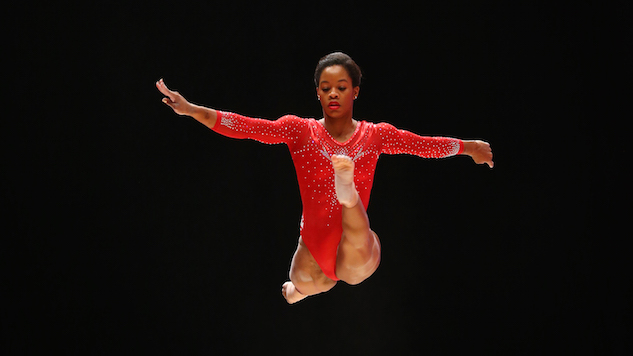
In the previous article, we wrote about the process model in sports, as well as warm-ups and preparations. In this article, we further delve into…
Chapter Four: Bet Sizes and Thin Value After the last article about the use of aggression and its cessation in different situations, we present the…

Knockout Tournament Types 1. Progressive knockout - probably the most popular knockout tournament format, which differs from other simple knockout tournaments in that part of…
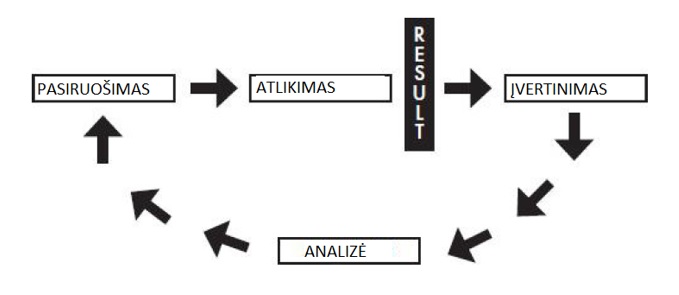
Process model systematizes naturally recurring elements in poker so that they can be applied using the Adult Learning Model (SMM) and "worm" principles. The ultimate…
Chapter Three: Aggression and the Fourth Card "Turn" Let's return to the previous article, where we hold A♠6♠, and the board shows 9♠7♦3♣Q♠. This is…

Two Main Learning Mistakes To better understand how the "worm" concept applies in poker, here are two main mistakes players make, along with their solutions:…
Chapter Two: Preflop Hand Variation and Postflop Probabilities Before the flop is revealed, it is undoubtedly the easiest street to play. The variations in the…


We've added you to our mailing list.