



Chess Game
Chess – the history of the board game is surrounded by various legends and stories. One of the most famous legends is about the Indian ruler – the raja and the highest caste of Hinduism – the Brahmin. It is believed that the events took place in the 6th century, in Northwest India. Read below about the history of the chess game.
Traditional Chess Rules
Chess rules are quite difficult and require logical, strategic thinking, very good memory, and at least a bit of good intuition – after all, no game is without its randomness!
First of all, the game board divided into 64 squares is positioned so that the bottom black square is on the player's left. The player with the white pieces makes the first move.
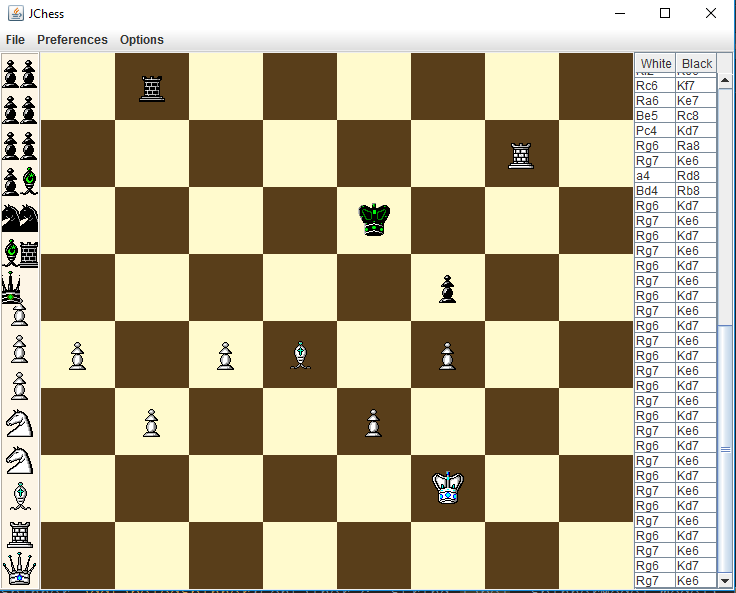
The chess game is divided into three phases: the opening, the middlegame, also known as middlegame, and the endgame, also known as endgame:
In the opening the same sequences of moves often repeat. The opening, or defense, refers to the first chess moves.
In the middlegame the game gains momentum – there are still many pieces on the board, various combinations are made, and the opponent's king is attacked.
In the endgame only a few pieces remain – the king becomes active, participates in attacks, and advances into the opponent's territory.
Have you probably heard of the famous check, stalemate, and checkmate?
- Check is declared when a piece threatens the opponent's king.
- Stalemate occurs when the opponent has no legal moves and the king is not in check.
- Checkmate happens when the opponent is in check and cannot defend against it.
The goal of a chess game is, of course, winning, which can be achieved in several ways:
- by checkmating the opponent;
- when the opponent sees inevitable defeat and resigns;
- if playing with a clock, when the opponent's time runs out and the other player has only a lone king.
Sometimes the game ends in a draw when one player has no legal moves and the king is not in check (stalemate) or by mutual agreement, but there are 3 rules:
- when the same chess position occurs three times with the same sequence of moves and one player claims a draw;
- if no pawn has moved and no piece has been captured in the last 50 moves;
- there will be no checkmate (for example, only kings remain in the game, etc.)
Chess Pieces
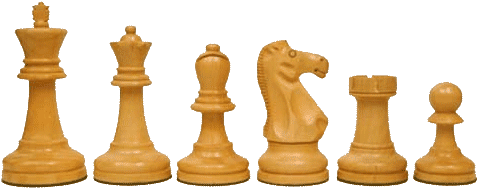
In a chess game, there are a total of 32 pieces – 16 black and 16 white. Each player has 8 pawns, 2 bishops, 2 knights, 2 rooks, and one queen and king. One player plays with white pieces, the other with black.
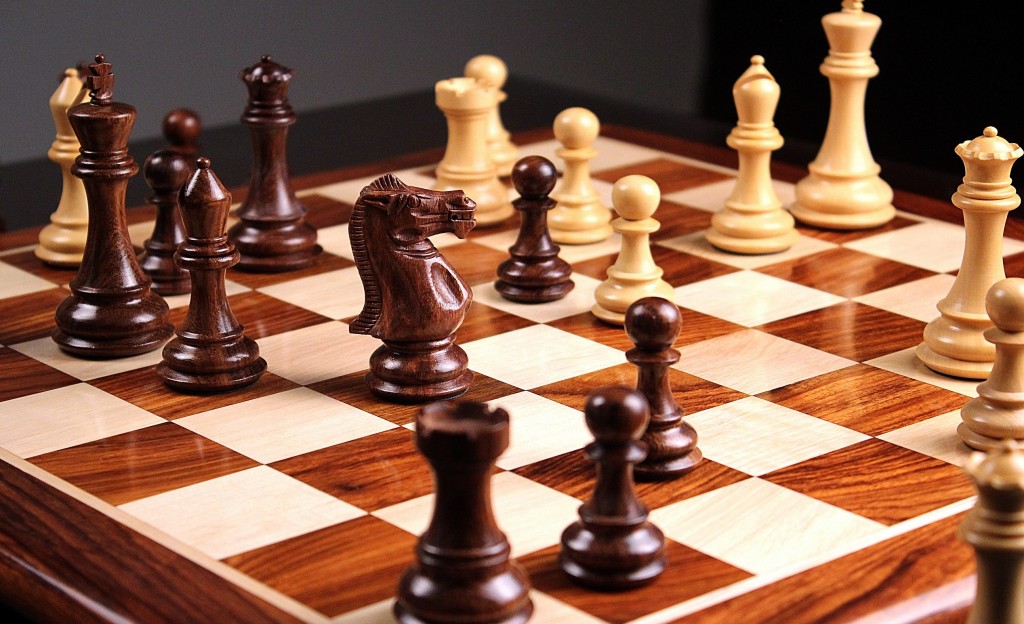
Chess pieces are used strategically – they aim to solve tactical tasks and achieve set goals.
Pieces in the game are often valued in points and units (e.g., a pawn is worth 1 point or a knight is worth 3 pawns), but it should be noted that the value depends on the piece's development, position, and game strategy, so sometimes point valuation loses its meaning.
Chess Pieces by Importance and Value
King
Considered the most important chess piece, it cannot be exchanged for any other and can move in all directions by one square. In terms of combat abilities, the king is considered equivalent to a bishop or knight along with a pawn. This piece cannot be captured, except in the exceptional case of a “prince” – a piece with the king's moves but without privileges.
The game starts with the white king on the E1 square, the black king on E8. In total, the king controls 8 squares.
The players' goal is to checkmate the black king for the white player and vice versa. When the king is in a square where it can be captured by the opponent, a check is declared.
Queen
The most powerful and strongest chess piece, moving diagonally, vertically, and horizontally. In terms of combat abilities, the queen is stronger than the bishop and rook, as it can move to another part of the board in just one move. A weak queen is considered a princess – a “promoted” pawn that reaches the final rank.
The game starts with the white queen on the D1 square, the black queen on D8. In total, the queen controls up to 27 squares.
Rook
Also an important piece and considered one of the strongest pieces in chess, second only to the queen in power. Additionally, the rook is considered stronger than the knight and bishop, and exchanging them for a rook is considered quite a significant gain. They can also outshine the most powerful piece – 2 rooks are more valuable than a queen. Moves diagonally.
The game begins with the white pieces having two rooks in each corner of their side at squares A1 and H1, while the black pieces start at A8 and H8. The rook controls 14 squares. It can move horizontally and vertically until it encounters the first obstacle—if it meets an opponent's piece, that piece is removed from the board, and the rook proudly takes its place. Additionally, the rook performs castling with the king.
Bishop
A piece similar in power to the knight but weaker than the rook by two pawns. The bishop moves diagonally—white bishops on white squares, black bishops on black squares. The bishop's journey across the squares is unrestricted.
The game begins with the white pieces having two bishops (one on a white square, the other on a black square) at squares C1 and F1, while the black pieces start at C8 and F8. The bishop controls up to 13 squares.
Knight
Similar in power to the bishop, the knight can jump over pieces and captures only on the final square of its move. The knight moves in an L shape on the chessboard—two squares horizontally or vertically, then one square perpendicularly. An interesting feature of this piece is that it jumps from a black square to a white one, and vice versa.
The game begins with the white pieces having two knights at squares B1 and G1, while the black pieces start at B8 and G8. Like the king, the knight controls only 8 squares. If, as the game nears its end, one side has a king and a knight, and the other only a knight, a draw is declared as checkmate becomes impossible.
Pawn
This is considered the weakest piece, capable of moving only forward, unable to jump over anything, and capturing only diagonally. It's important to note that the arrangement of pawns on the board is very important—their moves, groupings, etc., best reflect the game's strategy.
Players start a chess game with 8 pawns each. The white pawns are on the second rank at squares A2, B2, C2, D2, E2, F2, G2, H2, while the black pawns are on the seventh rank at squares A7, B7, C7, D7, E7, F7, G7, H7. The pawn controls 2 squares.
Chess Online in Casino Companies (chess casino)
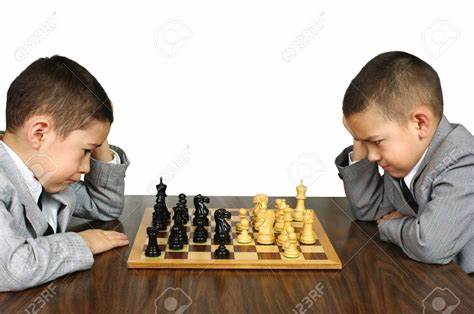
If you don't have chess at home but still want to experience the joy of the game, try playing chess online in casino companies.
Online chess allows you to play in real-time from any device, anywhere in the world, learn the intricacies of the game, and get a glimpse into the niche gaming market.
In online chess at casino companies, you can choose to play against another person or artificial intelligence. Playing against another person is somewhat risky, as the opponent might use special software to help them make the best moves.
Moreover, some online chess games in casino companies allow you to set the level—if you're a beginner, you can try the easiest version of the game, and if you feel like a pro, you can challenge the computer and choose the hardest level.
The principle of the game is to register on the website, and the computer randomly selects a game companion for you. On some websites, you can play without registering at all.
It's worth mentioning that some websites allow you to download the game to your computer and play uninterruptedly, even daily. Although real chess pieces are very beautiful and unique, online chess tries to captivate players with very colorful and high-quality graphics to appeal to fans of more dynamic games.
Especially in the latest online games, chess pieces are presented in 3D, and the game board is shown from different perspectives, making it really fun to play. Not only the graphics but also the soundtrack becomes another condition that elevates the game to another level.
Best Online Casinos Offering Games:
Chess Online – Is It Worth Betting?
The game of chess has also found its niche among betting enthusiasts.
It may be that some betting enthusiasts do not know the rules of chess, and the game itself can sometimes last several days, so these bets get somewhat lost in the very colorful and dynamic swirl of other casino games.
And quite unnecessarily. First of all, chess betting is popular only among experts—there are few players, and knowledge of strategies and details is very important in these bets.
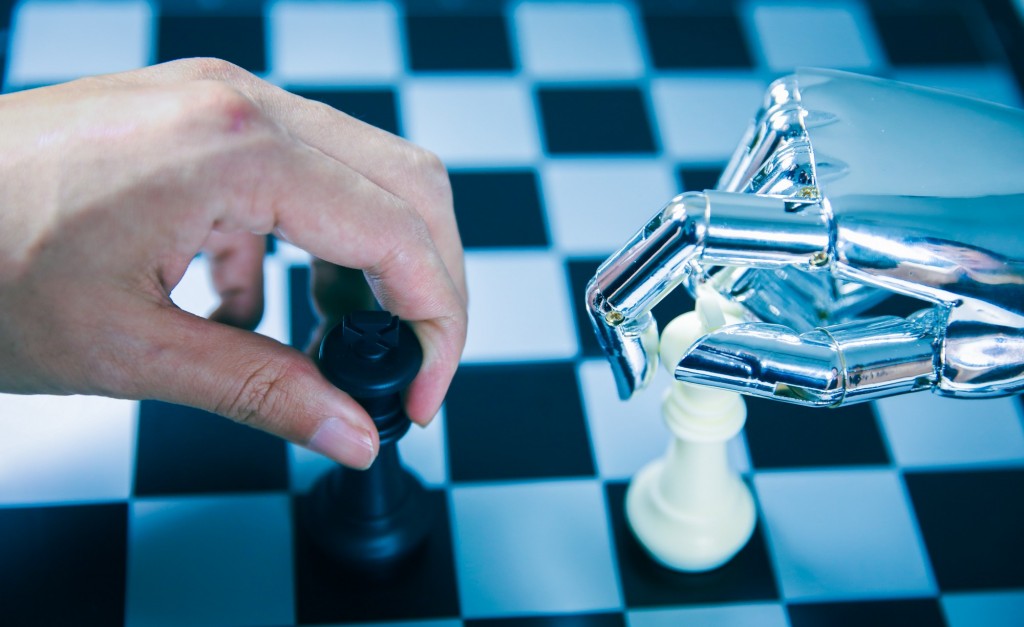
A natural question arises, what can you bet on in chess? The answer is simple—most often on the winner of the bet and the outcome of the game. Those who understand chess probably know that draws are quite a common outcome of this game, especially if experts are playing who know various strategies and game secrets.
Besides this bet, it is also suggested to bet on performance, in other words, the number of moves made, for example, betting on how many moves player X will make before winning the game, or with which piece and move the game will start. In this way, casino companies offer to earn additional bonuses.
How to know what to bet on? One strategy is to follow a favorite (or just randomly chosen by intuition) player. By gathering information about the personality, observing their choices and moves online, and delving into the style and specifics of the game, you can somewhat predict their choices and strategies. Of course, each chess game is different, but psychology also plays a fairly important role in this game. Another way to place bets is to rely on the players' rating system, which provides all relevant information about the player's victories.
When and where to bet? Most bets are offered during major chess tournaments. One of the most popular is the annual World Chess Championship, which brings together the best players at the game table. In some casinos, you can place advance bets, as favorites often hold strong positions in the bets even before they start playing.
So, a specific game doesn't always mean boring and unprofitable betting – on the contrary, the more unusual the game, the more chances to surprise yourself. Because what, if not beginner's luck, brings the most joy?
TOP companies for betting
Chess online for free
The first chess programs in the world appeared in 1984 and 1985. A few years later, player databases began to be created. As game experts say, computers have had a very significant impact on the development and evolution of the game – modern chess databases contain countless grandmaster games, best moves, and statistics that you can rely on when playing simple chess or participating in chess betting.
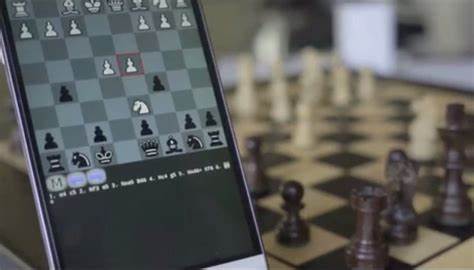
Chess online for free is also very useful for chess tournament enthusiasts, as playing chess online is somewhat simpler than facing an opponent at a wooden chessboard – avoiding tension, suspicious glances, and predictable moves.
Moreover, after your game, an analysis of your play is provided – moves are described, and advice is given on how to achieve better results and defeat your opponent in the next game.
Free chess games
Chess games can also be downloaded to your computer and played freely, even daily. Although chess pieces are very beautiful and unique, free chess games strive to compensate for the gaming experience with extremely colorful and high-quality graphics to please fans of more dynamic games.
Especially in the latest online games, chess pieces are presented in 3D, and the game board itself is shown from different perspectives, making it really fun to play. Not only the graphics but also the soundtrack becomes another condition that elevates the game to another level.
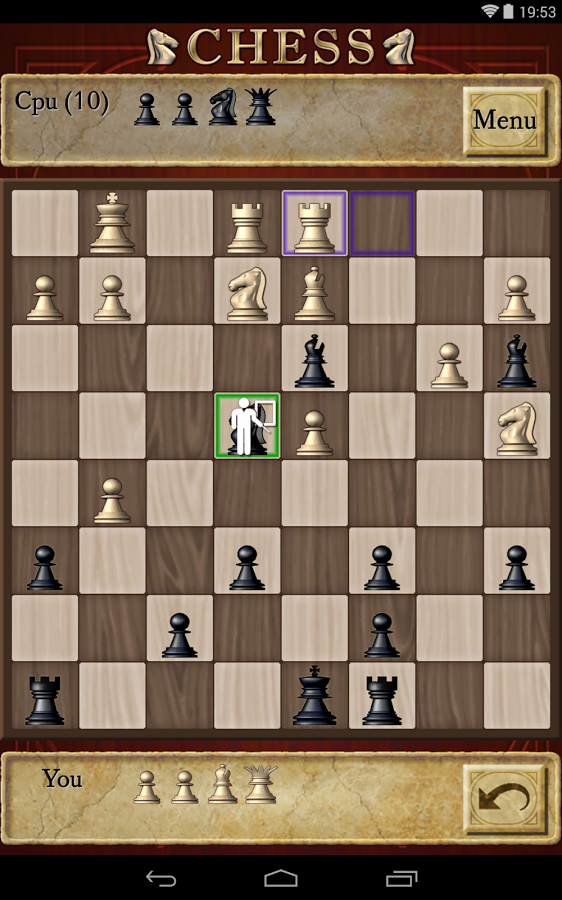
As mentioned, you can find truly reliable and very comprehensive free gaming sites online. Chess online for free allows players to learn and play various chess games completely free of charge.
Moreover, online chess is not limited to just the traditional chess game – there are many types and ways of playing online chess. For example, every day new chess-related puzzles, a quote from a famous player, or even a humorous joke are presented.
Perhaps the most popular chess puzzle, created by Swiss mathematician Leonhard Euler, is “Knight's Tour,” where the goal is to visit all the squares on the board with a knight.
The essence of the game lies in the fact that the knight can visit the same square only once. Or the puzzle “8 Queens,” where the aim is to place 8 queens on the game board. The secret is that queens can only be placed on squares not attacked by other queens.
Chess games – some interesting facts
You've already realized that chess games are truly unique and captivating in their abundance. Moreover, there are quite a few notable facts about chess, so here are the most interesting ones:
- Did you know that the elite chess community included people like Benjamin Franklin, Bill Clinton, Albert Einstein, military leader Napoleon, writer Edgar Allan Poe, Leo Tolstoy, Frank Sinatra, Bill Gates, Ludwig van Beethoven, Winston Churchill, Pope John Paul II, Thomas Jefferson, and many, many others!
- Interestingly, on the international chess website more than 4,952,978 games are played daily.
- The longest theoretical chess game length is 5949 moves, while the longest chess game played in a tournament in Belgrade was 269 moves.
- In 1997, after losing a chess match to the first computer-created artificial chess intelligence Deep Blue, the world's best chess player Garry Kasparov experienced a mild shock… Only in 2003 did he manage to achieve a hard-fought draw against another chess program – Deep Junior.
- There is a town in the world (Marottichal in India) where people chose chess as an alternative to drinking. And they play excellently – many town residents excel in championships and hold quite high positions in the world rankings!
- The oldest chess game – The first hints of chess date back to the 6th century in India, where this game was known as “Chaturanga.” It was the precursor to modern chess.
- The chess player who played against the most opponents simultaneously – In 2011, Iranian grandmaster Ehsan Ghaem-Maghami played 604 games in one session! He defeated 580 opponents, drew with 16, and lost only 8 games.
- The fastest checkmate – The fastest possible game ending in checkmate is the so-called “Fool's Mate.” It can be played in just two moves.
- The largest chess piece – The largest chess king in the world stands in St. Louis, USA. It is 6.09 meters tall and weighs about 907 kilograms!
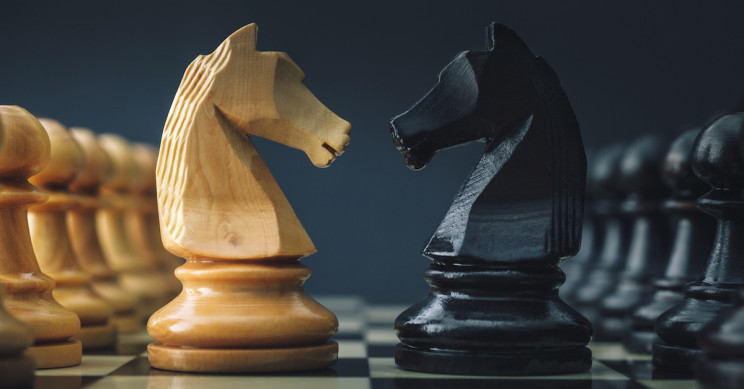
So, both traditional and online chess enhance a person's strategic thinking, patience, and improve problem-solving, situation analysis, and forecasting skills.
It is said that this game has a positive impact on brain function, even academic results! With chess, you can also solve puzzles or play chess casino, so due to the variety and choice of games, chess has remained popular to this day.
If you don't have the opportunity to play in person (or maybe you're still not confident in your abilities), you can always read chess magazines, books, various publications, and articles online, which extensively describe the rules of the game, moves, strategies, present chess news, and more relevant information.
History of the Chess Game
Chess, as a board game, has a history intertwined with various legends and stories. One of the most famous legends is about an Indian ruler, a raja, and the highest caste of Hinduism, the Brahmin. It is believed that the events took place in the 6th century in Northwest India.
The legend tells that the then Indian raja Balhait announced that he would generously reward anyone who created a game that developed intellect, wisdom, logical thinking, diligence, courage, and many skills.
One of the Brahmins named Sissa proposed a war-related game, played on a wooden board with 64 squares, with special pieces symbolizing warriors of different ranks. The raja was immensely pleased with the game and, wanting to express his gratitude, allowed Sissa to ask for any reward.
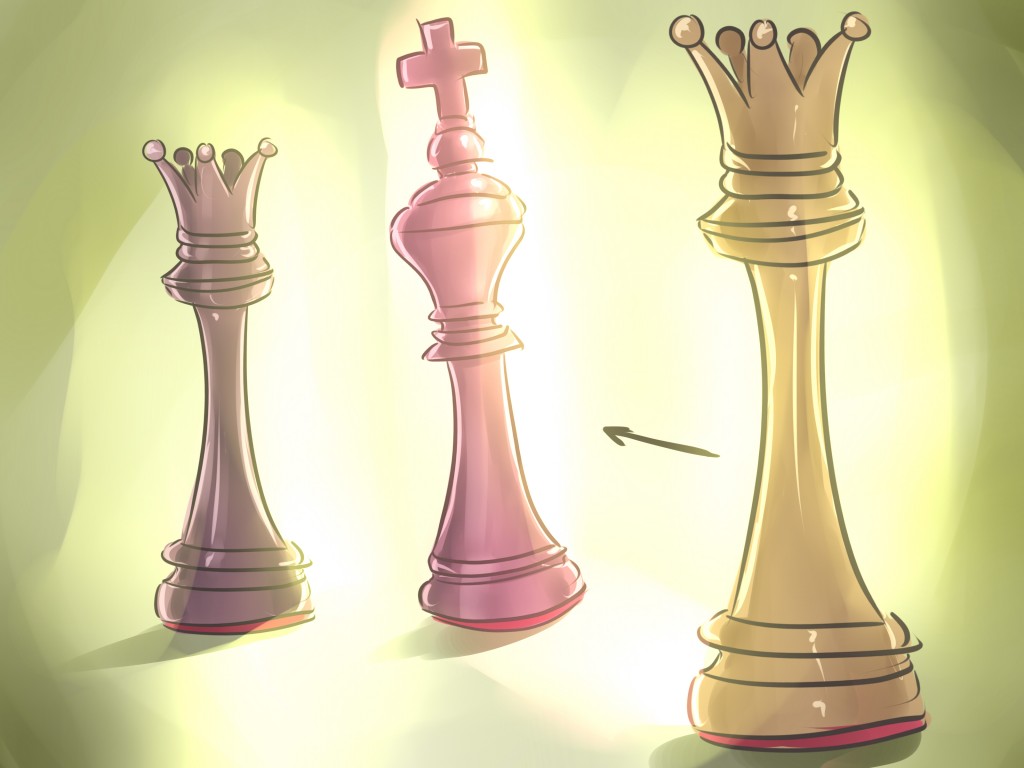
Sissa asked only for grains. It might seem like too small a reward for a game that had already become one of the most popular, but the beauty of the legend lay in the grains. It turns out, the Brahmin asked for just one grain for the first square, twice as many for the second, and continued doubling until reaching the final, 64th square, where the number of grains amounted to 9,223,372,036,854,775,808!
Interestingly, to grow that many grains, the entire surface of the Earth would need to be sown with grains 8 times over. Of course, this number proves that the limits of human intellect and possibilities are boundless—just like in the game of chess.
The spread of chess in Europe is associated with the 7th century, and from the 12th century, this board game became popular among the nobility. Moreover, the European contribution was quite significant as well—in the 10th century, the game board was colored with different colors.