


Responsible gambling
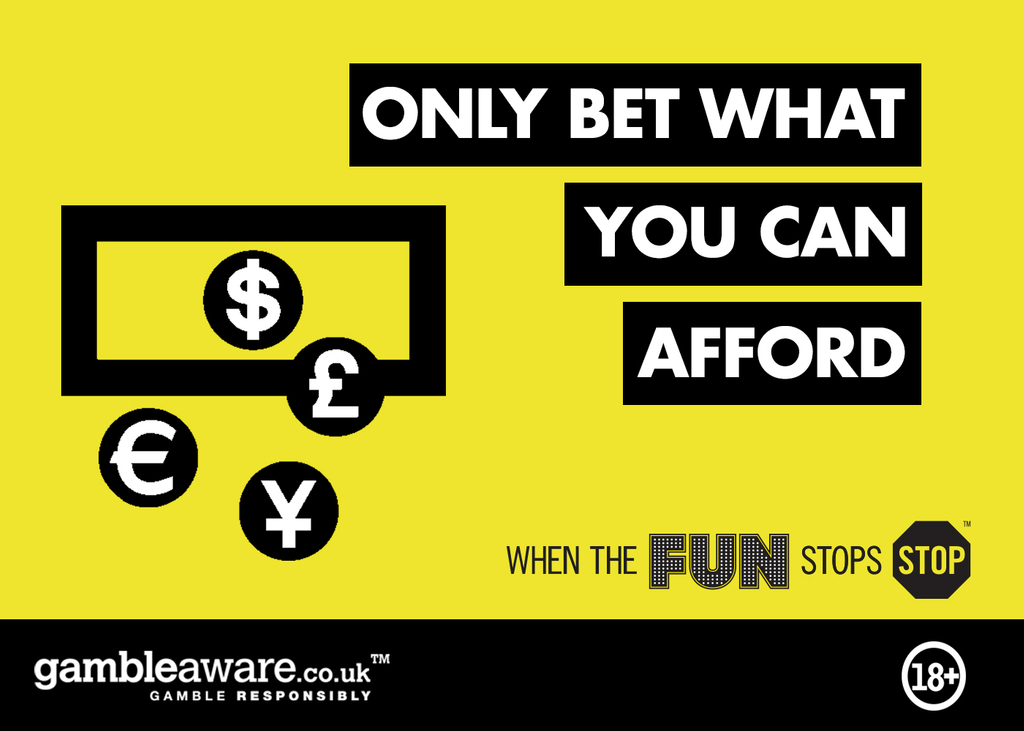
“When the fun stops – stop!” could be the perfect slogan for gambling prevention. Even better if this slogan were heard by everyone with a gambling addiction, but the reality is that words often remain just words.
Responsible gambling – how to learn to gamble so that the essence of gambling is not money, but the experiences during the game? Finding the answer is difficult, but possible.

The world of excitement (or addiction?) is conquered by online casinos
If you're too lazy to leave home, you can try all kinds of gambling games perfectly well while sitting on the couch. The kingdom of casino homes is rapidly moving online, and it's only a matter of time before it surpasses physical gambling houses in popularity.
Although online gambling has been organized worldwide for quite some time, significant changes occurred in our country in 2016 when remote gambling in online casinos was legalized.
Moreover, unlike physical casinos, online casinos offer the opportunity to gamble not with cash but with credit cards. For this reason, becoming addicted becomes somewhat easier, as you do not see the amount of cash and do not assess the real losses.
Sometimes, just one click is enough, and before your eyes are free spins, additional bonuses, and countless other benefits. Also, playing becomes much easier – you don't have to leave home, and online casinos are accessible 24 hours a day, 7 days a week.
As the variety of gambling games gradually increases and the entire gambling market expands, a sensitive topic has been touched upon – gambling addiction or, in other words, prevention – responsible gambling.
The biggest problem became that those facing this addiction and their relatives did not know how to overcome this disease due to a lack of knowledge and information. Moreover, at the very beginning, there were no qualified specialists who understood the causes of gambling involvement and solutions.
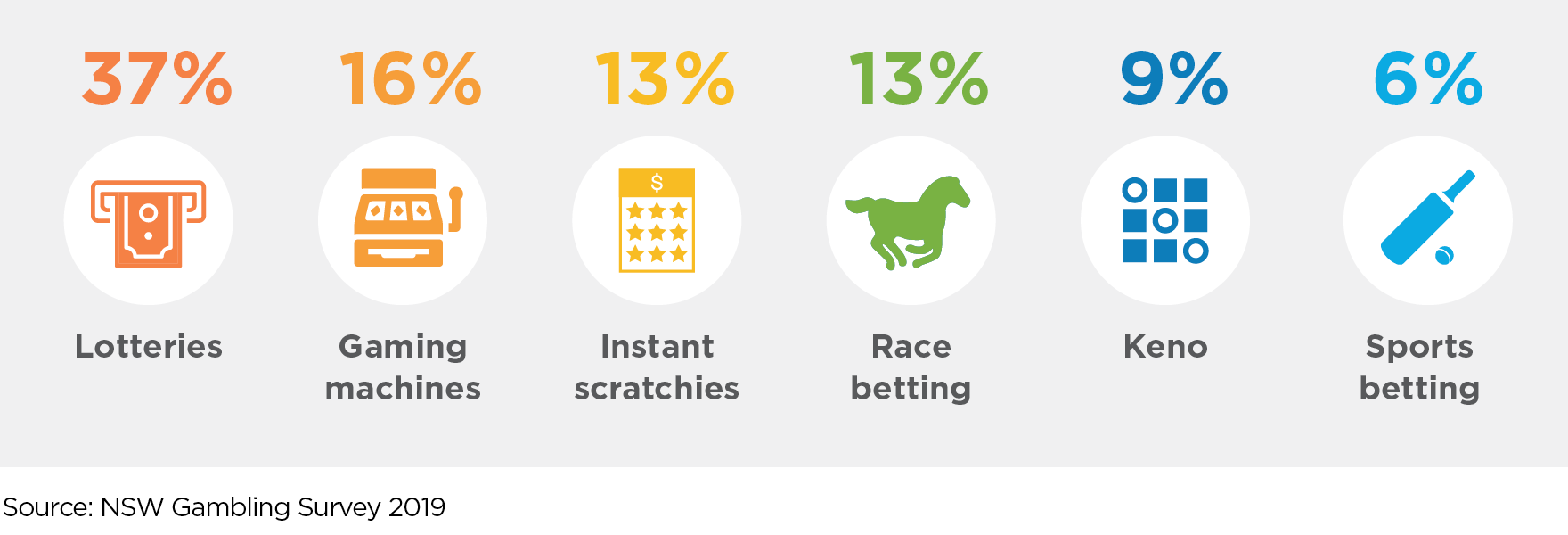
Many people are enthusiastic, but the level of excitement varies depending on personality temperaments, beliefs, habits, and even gender. Surely, we have all bought a lottery ticket at least once and crossed our fingers for luck.
For some, it is a light and non-binding one-time entertainment, while for others, it is a hook that leads to gambling more, more often, and with larger amounts. Simply put, they are driven by curiosity intertwined with risk and the belief that after a few disappointments, great success must come. People addicted to gambling repeat the action because they seek to feel better, experience pleasure, or ease their lives.
The second strongest addiction
Gambling addiction is called ludomania (the name comes from the Latin word Ludus, meaning game). It is an excessive, pathological attraction to gambling – cards, slot machines, betting, totalizator, etc. The desire to gamble so overwhelms a person that they lose common sense, do not understand their actions, sometimes disregard their own life's risk, and such stories end sadly.
Such people completely disregard any commitments – whether work-related, personal, or social. If necessary, they can lose all their and their relatives' money in one go, get into debt, blackmail, extort, and engage in other illegal activities.
Medical scientists studying addiction have found that only addiction to narcotic substances surpasses ludomania. It's hard to imagine what a person experiences when, without any pangs of conscience, they decide to “bet everything” on a card in just a few minutes, literally determining their and their relatives' fates. It is precisely the uncontrollable passion for intense sensations, endless risk, and emotions that overwhelm while gambling that are so strong that in critical cases, a person does not even realize their actions.
What is responsible gambling and how to learn to gamble responsibly?
Responsible gambling is understood as gambling that can be easily controlled. Responsible gambling is when you play for the experience, for the thrill, not for the money. Whether you buy a lottery ticket, bet, or play in online casinos – the most important thing is to learn to control yourself and understand that gambling houses will always have an advantage.
This means you will only lose money, and the lucky day when you win back and gain an advantage will never come. Gambling, first of all, should be perceived as one of the forms of entertainment that requires expenses. Just like watching TV, buying movie tickets, or going for a ride on carousels – we evaluate the time and expense ratio and are satisfied with how long the movie or carousel ride lasts.
Tips on how to gamble without causing addiction:
- Have a sense of time – set time limits and do not exceed them.
- Set a money limit and under no circumstances exceed it, telling yourself “just this once.” Limits can be wisely increased or decreased if you see your wallet emptying quickly.
- Review your gambling history – track money transactions, evaluate expenses and winnings.
- Take breaks between gambling sessions from a day to a week or longer. If you do not feel a strong urge, the length of breaks will not cause you any emotions.
If a problem has arisen:
- The first step to recovery is the sincere acknowledgment of the problem. Only by being completely open and honest with yourself will you achieve the desired results. This step may be necessary to realize: 1) that the problem is still small and learn to train yourself; 2) seek help from specialists.
- Stop gambling altogether – do not play any gambling games, even without money, because in this industry, with a high level of excitement, it is very easy to slip.
- Know that you have the opportunity to stop gambling at any moment and write a special request for the online site to block you, and for the physical casino not to let you in.
- Mark each day in the calendar when you do not gamble – this way you can track your achievements and more easily forget, as there will definitely be more time in the day.
Am I addicted to gambling?
Responsible gambling – how to understand that I have an addiction?If you have problems with gambling and notice that it is difficult to control yourself, you can always contact special organizations that will provide all the necessary help. To check your level of involvement in gambling, honestly answer these questions.
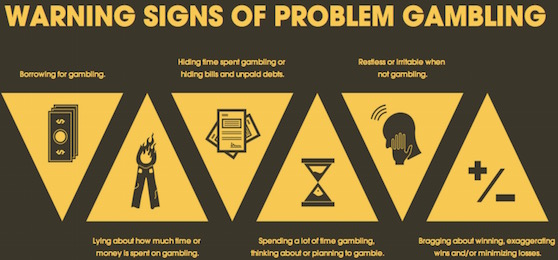
Gambling addiction test:
- Do you sacrifice work (lectures) time for gambling?
- Has gambling made your home life unhappy?
- Does gambling negatively affect your reputation?
- Do you feel guilty after gambling?
- Do you always gamble to pay your bills and solve financial problems?
- After losing, do you feel the need to return and win back the lost money?
- After winning, do you feel a strong desire to return and win even more?
- Do you usually gamble until the last cent in your pocket?
- Have you borrowed money for gambling?
- Have you ever sold items to get money for gambling?
- Does gambling make you careless – not caring for yourself and your family?
- Have you ever gambled longer than you planned?
- Do you gamble to forget about your problems and worries?
- Have you ever done or planned to do something illegal and punishable by law to get money for gambling?
- Has gambling worsened your sleep?
- Do disappointments and failures push you to gamble?
- Does successful gambling make you want to celebrate?
- Have you ever thought that you are failing as a person and the reason is uncontrollable gambling?
Seven or more positive answers indicate that you may be addicted to gambling. We recommend not ignoring personal survey results and seeking help from the specified organizations that will help solve the addiction problem. After all, it is said that the first step to solving a problem is acknowledging it to yourself.
Organizations fighting gambling addiction
If you feel that it is difficult to control yourself and all thoughts revolve only around gambling, the Lithuanian Supervisory Authority (LPT) is the first to come to help. This organization was the first to provide the opportunity for those with gambling problems to sign a special request for voluntary decision not to gamble. This authority helps not only the gambler but also their relatives – their initiated mutual support groups aim to help relatives understand and support the gambler on the long road to recovery. LPT on its official website www.lpt.lt provides a self-control questionnaire, the answers to which allow you to assess your situation as a gambler.
UAB “Lošimų strateginė grupė”, in collaboration with the Supervisory Authority, initiated a social project “Nebenoriu lošti” in 2010, under which an informational website was created www.nebenoriu-losti.lt The main task of this site is to provide informational and emotional support to gamblers suffering from addiction and their relatives.
The Republican Center for Addictive Disorders https://www.rplc.lt/ also provides all necessary help to those suffering from a gambling-induced crisis.
Minnesota programs (psychotherapy, skill development, thinking correction, emotion recognition, etc.) are also organized, with the help of which individuals successfully free themselves from the addictions that plague them. https://www.prevencija.lt/pagalbos-resursai/minesotos-programa/.
It is encouraging that every year these organizations and those who have recovered organize seminars, meetings, lectures, and conferences on the topic “Responsible Gambling”. There, presentations are given not only by representatives of companies organizing gambling and lotteries, mental health specialists, but also by those who have recovered and freed themselves from the clutches of addiction.
Not only in Lithuania, but also abroad, compatriots need help. Such international organizations and websites can provide it www.gamblock.com, www.gamblinghelponline.org.au, www.gamcare.org.uk, www.gambleaware.co.uk and so on.
Help for Lithuanians suffering from addictions in Lithuania and abroad:
Lithuania:
- www.nebenoriu-losti.lt, tel. nr.: (8 5) 233 6241; +370 609 66 676, email: [email protected]
- https://www.rplc.lt/, tel. nr.: +370 5 213 7274, email: [email protected]
- www.lpt.lt, emotional support line: 1809
United Kingdom:
- www.gamcare.org.uk
- www.gambleaware.co.uk
- National Gambling Helpline: 0808 8020 133
America:
- https://www.stoppredatorygambling.org/
- Tel. nr.: (202) 567-6996
- Email: [email protected]
- http://www.gamblersanonymous.org/ga/
- Email: [email protected]
Norway:
- https://www.peluuri.fi/en/gambler/hints-avoid-gambling
- Tel. nr. 0800 100 101 (Gambling helpline)
- Email: peluuri(at)peluuri.fi
Sweden:
- https://www.spelalagom.se/en/gambling-problems/
- Tel. nr. 020 – 81 91 00
Spain:
- https://ibizacalm.com/addictions/gambling/
- Tel. nr. +34 664 443 433
- Email: [email protected]
Netherlands:
- https://www.gamblingtherapy.org/en/netherlands-gamblers-anonymous
- https://www.gamblersanonymous.nl/en/
- Email: [email protected]
Germany:
- https://www.verspiel-nicht-dein-leben.de/language/english/help-with-gambling-problems-for-gamblers-and-family-members
- Tel. nr.: 0800 077 66 11
Denmark:
- https://www.gamblingtherapy.org/en/taxonomy/term/356
- Email: [email protected], [email protected], [email protected]
United Arab Emirates:
- https://www.americancenteruae.com/health-education-centre/adult/pathological-gambling/
- Email: [email protected]
- Tel. nr.: +(971-4)-314-1000
Also read, how to act to avoid losing in a casino.