



The majority of these losses are incurred in low-income regions, and some critics argue that government reforms have changed little.
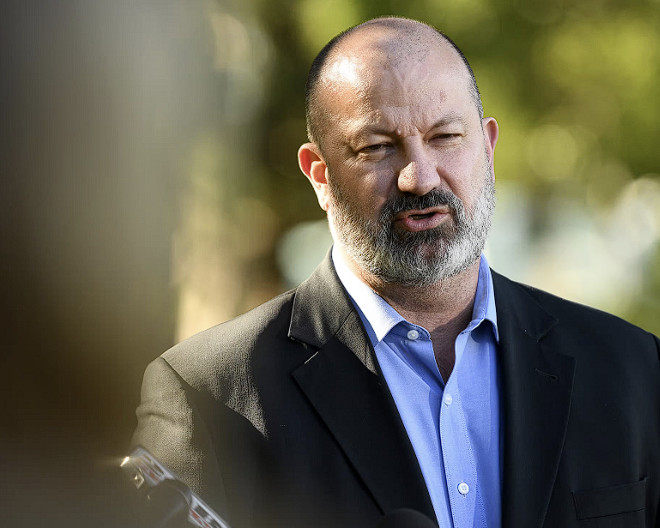
Mark Morey, New South Wales union secretary, did not hold back in saying that the Minnesota government is worshipping its ego while real people are still suffering.
Morey stated: “Supply creates demand, which in turn causes suffering”. He spoke about how the government has done nothing to prevent people from becoming addicted to gambling.
Auditor General reveals lack of strategy and oversight
Morey's comments came after a critical report from the state Auditor General, which stated that the NSW government lacks clear goals, standards, or success indicators to monitor its progress in reducing gambling harm.
The report indicates that the Department of Creative Industries, Tourism, Hospitality, and Sport, which regulates poker machines, has not examined how well its harm reduction programs are working.
The department operates without clear goals or assessments of the impact of its programs. The investigation report states, “No evaluations have been conducted to assess their impact on harm reduction outcomes.”
Therefore, the effectiveness of current methods in helping individuals affected by gambling remains unclear.
Gambling losses continue to rise as reforms stall
Critics argue that government efforts are insufficient, despite measures such as reducing the maximum cash load for new machines from $5,000 to $500 and a $100 million contribution to a harm reduction fund.
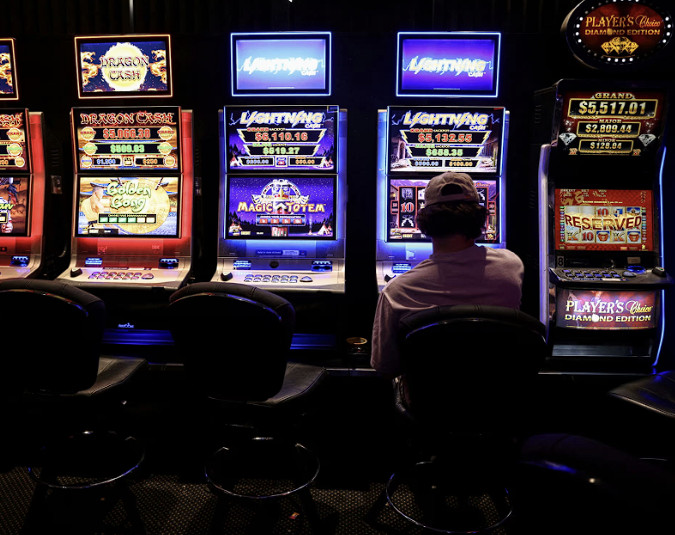
They have data to support their claim. The report found that New South Wales residents lose about $24 million daily playing poker machines. In just one year, calls to “GambleAware” increased by 8.5%, and losses from poker machines have been rising for three years. The 2024 New South Wales gambling survey found no signs of gambling harm decreasing.
“Wesley Mission” CEO Stu Cameron stated that the changes were “limited” and “ineffective.” He also said: “It is now clear: the New South Wales government has done almost nothing to reduce gambling harm, while clubs and hotels are making billions.”
A resident in New South Wales playing a poker machine
Political pressure mounts as commission recommendations are ignored
The Minnesota government is increasingly pressured by trade unions, social services, and the government's own politicians.
An independent commission submitted its proposal for gambling reforms to the government last November, but there has been no official response yet.
Some commission members disagreed with what was said, which further slows down the process.
The Labor Party proposed testing cashless gaming, but only 32 people registered for the pilot program. Since then, the Australian Hotels Association and Clubs NSW – two groups with stakes in the poker machine business – have spoken out against this proposal.
Shadow Gambling Minister Kevin Anderson expressed frustration over the government's delay. “Gambling losses in NSW continue to rise, and the independent commission's report is gathering dust on the premier's and minister's desks,” he said. “The Minnesota government needs to respond quickly to the proposals to provide clarity for both the community and the industry.”