


Science of Poker: The (Un)Profitability of Preflop Bluffing
In the series of articles on the science of poker, we will discuss a relatively new mathematical article published in 2015. The author of this…

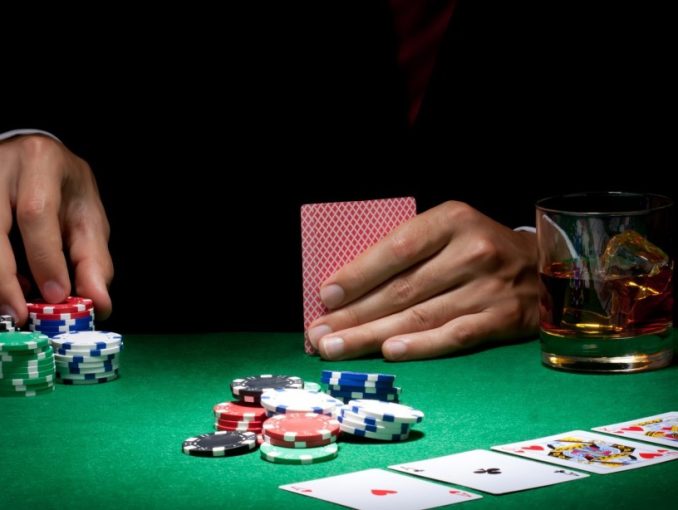
In the series of articles on the science of poker, we will discuss a relatively new mathematical article published in 2015. The author of this…
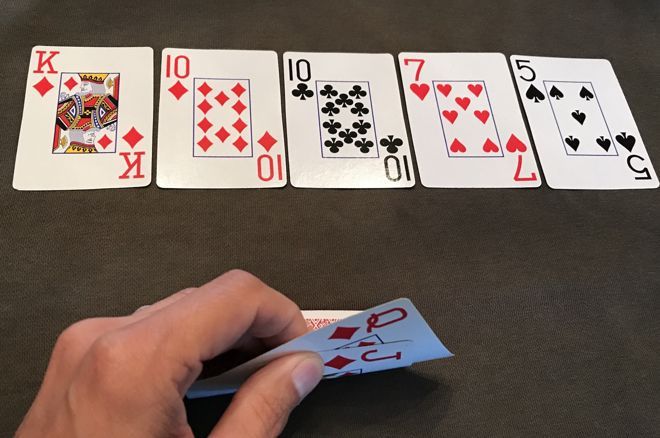
This week we will analyze an article on poker psychology. The authors aim to answer a simple question - how, if at all, does the…

This time we will discuss a slightly different article, where the authors aim to create suitable rules for poker based on deep-learning program algorithms. After…

In the series on the science of poker, we will discuss scientific studies published in well-known psychology, mathematics, and IT journals. The aim of these…

Poker combinations are the most important part of the game, so it is essential to memorize them very well; otherwise, you risk losing embarrassingly. Memorizing…
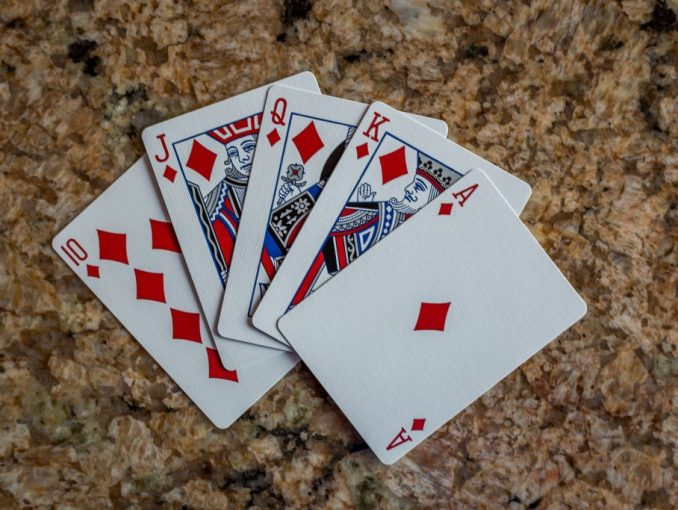

Most poker players are not aggressive enough. If you want to compete with high-level players and increase your winnings against weaker opponents, you need to…
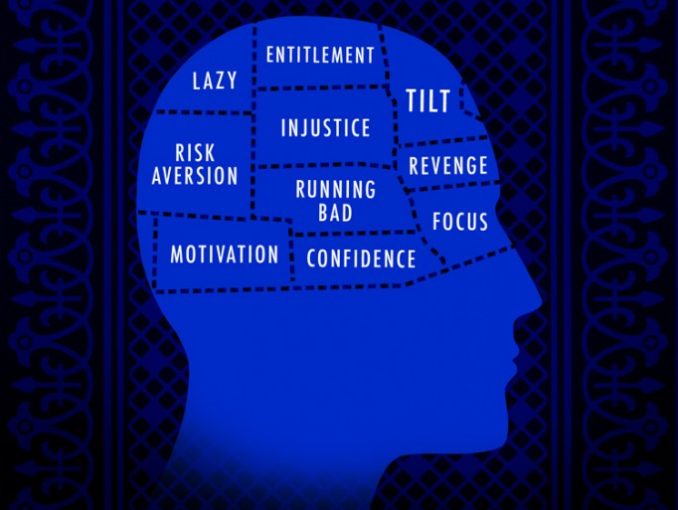
Previous part of the book "Mental Game of Poker": Tilt of not wanting to lose, competitiveness, losing money 5.4.3 Belief that you can win every…
Previous part of the book "Mental Game of Poker": Bad beat stories, envy 5.4 The Bridge of Reluctance to Lose Losing is a part of…

Where is the best place to play poker? Game Theory and Poker John Nash developed game theory as a branch of mathematics at Princeton University…


We've added you to our mailing list.