



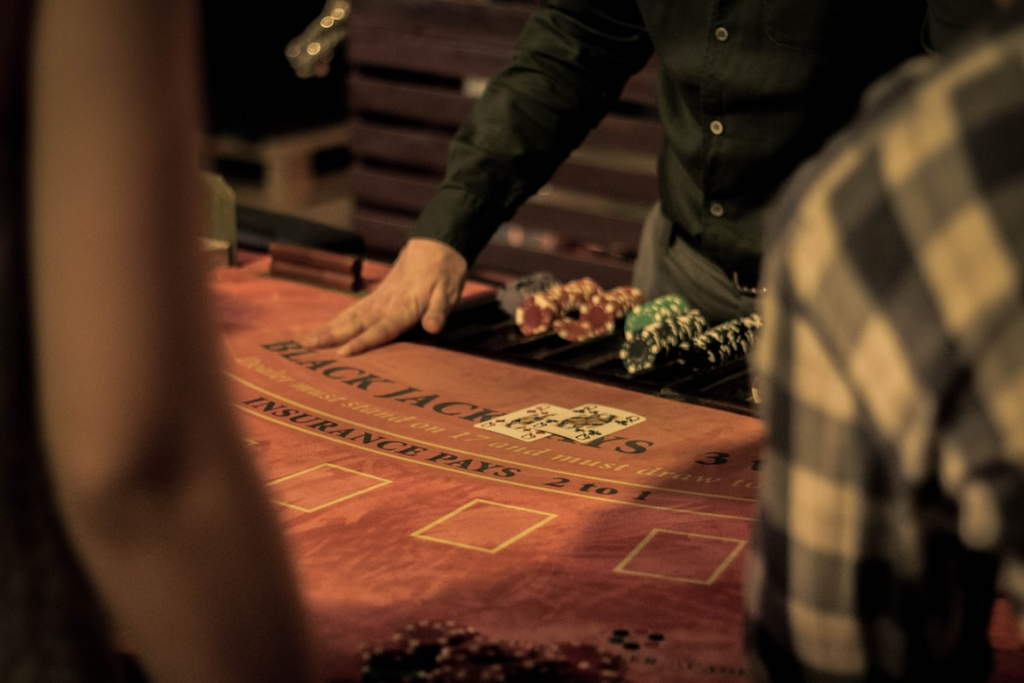
Best Online Poker Rooms
Most Interesting Facts About Poker
Origin of Poker
Although it is often believed that poker originated in New Orleans around 1829, there are other theories about its origin. Some historians suggest that poker may have originated from the Persian game “As-Nas” or the French game “Poque”. Thus, the exact origin of poker is not definitively established.
“Dead Man's Hand”
The term “Dead Man's Hand” is associated with Wild Bill Hickok, who is said to have been shot at a poker table while holding a pair of aces and a pair of eights. This story is widely known, but some historians question its accuracy.
Longest Poker Game
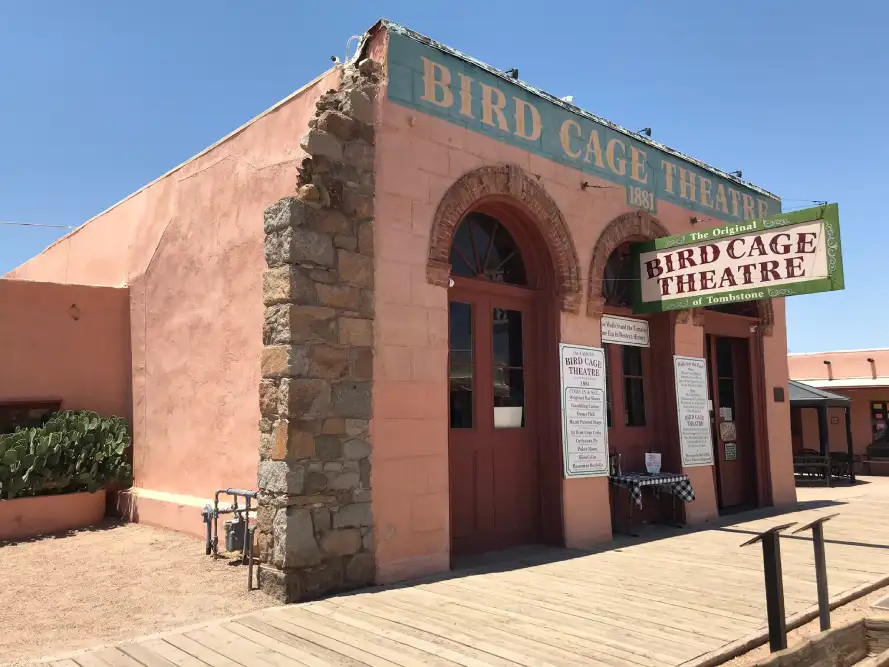
The story of a poker game lasting 8 years, 5 months, and 3 days at the “Bird Cage Theatre” in Tombstone, Arizona, is widely circulated, but there is no reliable historical evidence to confirm this event. Therefore, this fact should be regarded as a legend or myth.
First Online Poker Game
On January 1, 1998, the first real money online poker game took place on the “Planet Poker” platform. This is considered the beginning of the online poker era.
First Poker Chips
In the early days of poker, bets were made using various valuable items such as gold nuggets or coins. Due to the complexity of determining value, the first official poker chips, made of wood, clay, or bone, were introduced in the 19th century.
Kings in a Deck of Cards
The four kings in a traditional 52-card deck are often associated with historical figures:
Spades King: David – King of Israel.
Hearts King: Charlemagne – Ruler of the Frankish Empire.
Clubs King: Alexander the Great – King of Macedonia.
Diamonds King: Caesar Augustus – Roman Emperor.
However, there is no conclusive historical evidence to support these associations.
Smaller Deck of Cards
Early versions of poker used a 20-card deck with four suits: tens, jack, queen, king, and ace. This version was played by four players, each receiving five cards. Later, the 52-card deck was adopted to include more players and increase the variety of combinations.
Importance of Body Language
In poker, body language can reveal the strength of a player's hand. For example, a player with a strong hand may unconsciously lean back in their chair or lean forward at the table. It has also been observed that players with weak cards tend to bet faster than those with strong cards.
First Television Broadcast
In 1973, CBS became the first television station to broadcast a poker tournament – the World Series of Poker (WSOP). This helped popularize poker and attract new players.
Biggest Poker Win
In 2012, Antonio Esfandiari won the largest cash prize in poker history – $18.3 million – at the “Big One for One Drop” tournament, which had a buy-in of $1 million.